Mobilization
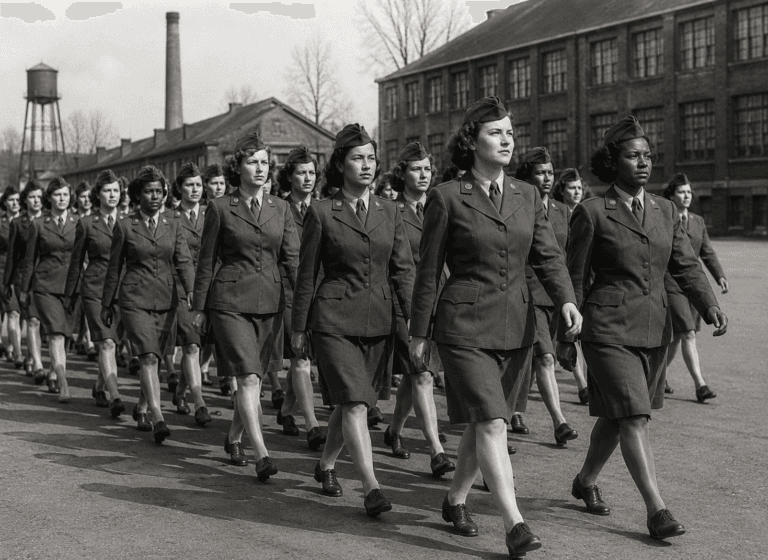
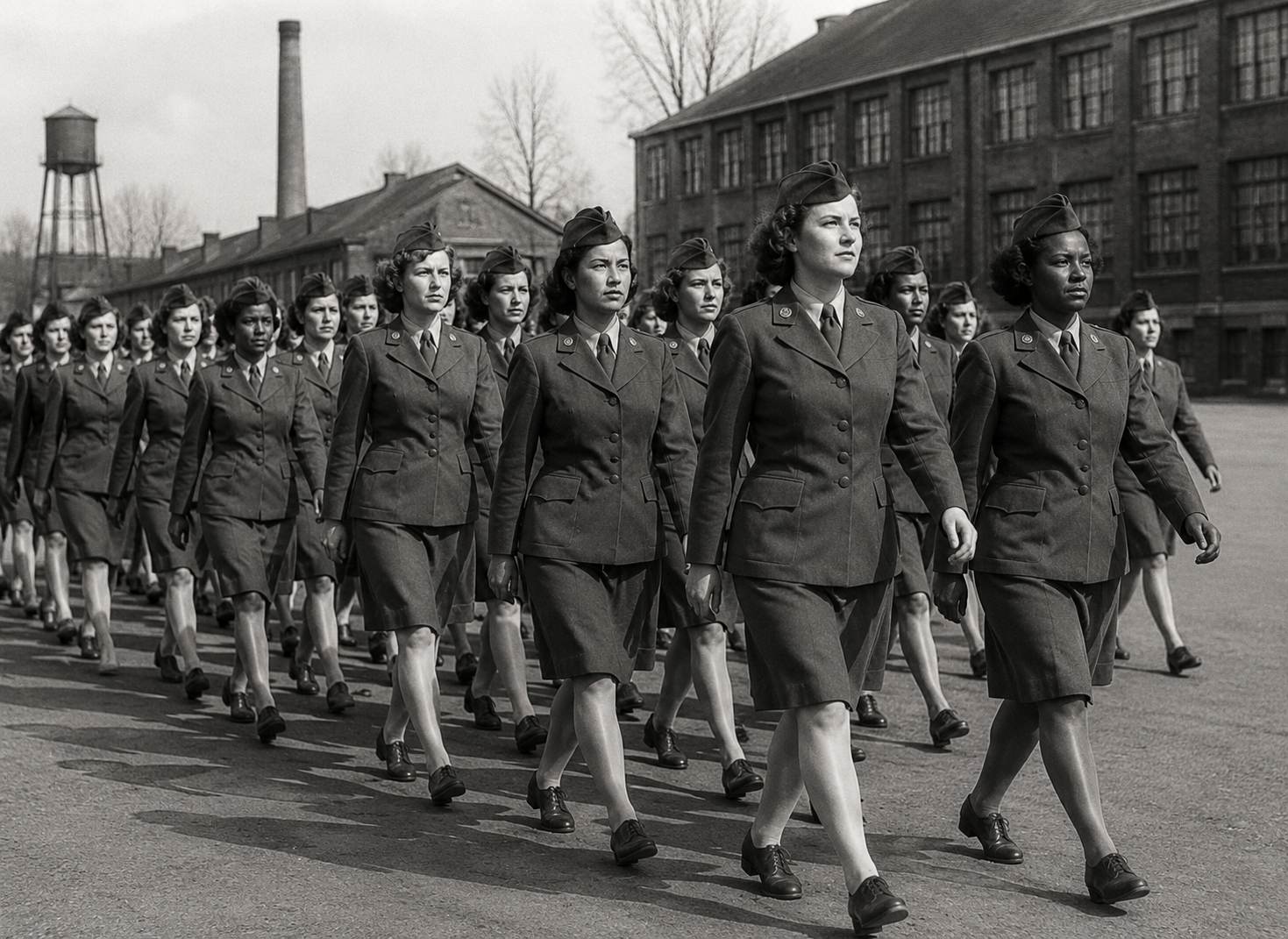
As World War II expanded, millions of women joined the workforce and military support services to replace men serving on the front lines.
Beyond the Factory
Women worked as pilots, codebreakers, nurses, engineers, mechanics, intelligence officers, and resistance fighters across the Allied and Axis nations.
On the Front
Thousands served close to combat zones by transporting aircraft, treating wounded soldiers, gathering intelligence, and supporting military operations.
War’s End
By 1945, women’s wartime contributions had become essential to the Allied victory and the functioning of national economies.
Lasting Legacy
World War II reshaped public attitudes toward women in the workplace and military, influencing future movements for equal rights and opportunities.
Decode the symbol
Home front cipher
The iconic wartime figure representing women working in factories became known as _____ the Riveter.
Rosie the Riveter became one of the most enduring symbols of women’s contributions to the wartime workforce, encouraging millions to support the war effort through industrial production.
Decoded
Case solved. Discover how women transformed the home front and helped shape the outcome of World War II.