This is an excellent authority-building article because it expands beyond battles and military leaders into social history, education, and human stories. It also targets a different audience segment including students, researchers, and educators.
Women in World War 2: Roles, Contributions, and Lasting Impact
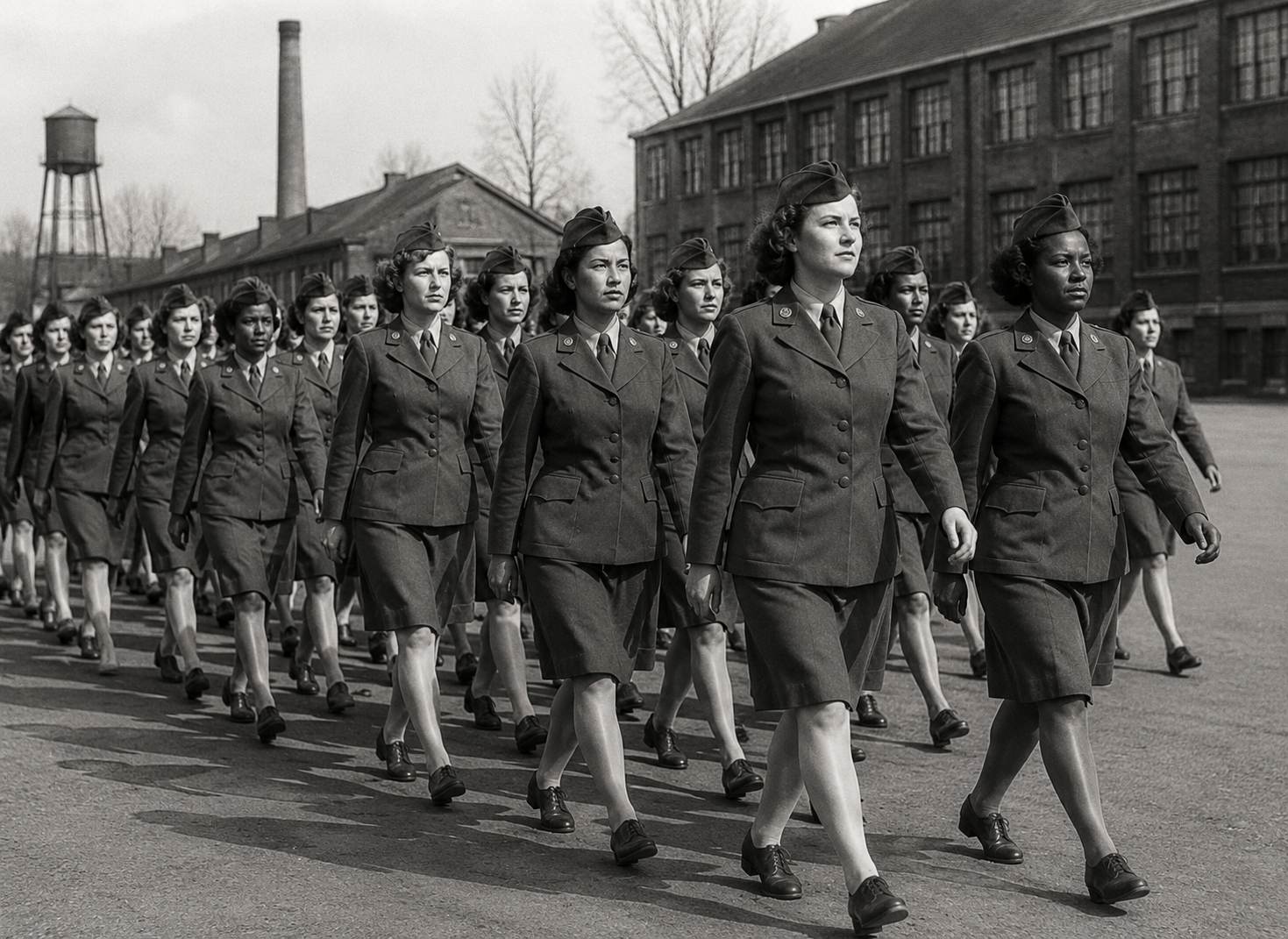
World War II transformed the lives of millions of women around the world. As men left their jobs to serve in the military, women stepped into roles that had previously been unavailable to them. They worked in factories, served in military organizations, joined resistance movements, operated aircraft, provided medical care, and contributed directly to the war effort.
Although women had participated in earlier conflicts, their involvement during World War II reached an unprecedented scale. Their contributions helped Allied and Axis nations sustain their economies and military operations throughout the war.
By the end of the conflict, women’s achievements had challenged traditional social norms and helped lay the foundation for future movements advocating equality and expanded opportunities.
Why Women Became Essential During World War II
When millions of men joined military service, countries faced severe labor shortages.
Governments needed workers to:
- Build aircraft
- Manufacture weapons
- Produce military vehicles
- Operate transportation systems
- Support military logistics
Women filled these critical positions and became an essential part of the wartime economy.
The Scale of Women’s Participation
By the mid-1940s, millions of women had entered industries previously dominated by men.
Their work helped maintain military production and ensured that armed forces received the supplies needed to continue fighting.
Women in Factories and Industry
One of the most recognizable images of World War II is women working in factories.
Women manufactured:
- Aircraft
- Tanks
- Ships
- Ammunition
- Military equipment
“Rosie the Riveter”
In the United States, “Rosie the Riveter” became a symbol of female workers.
The image represented millions of women who joined factories and shipyards during the war.
Women demonstrated that they could perform physically demanding industrial jobs traditionally reserved for men.
Impact on Production
By the end of the war:
- Women made up a significant portion of industrial workforces.
- Military production reached record levels.
- Factories operated around the clock.
Without female workers, wartime production would have been severely affected.
Women in the Military
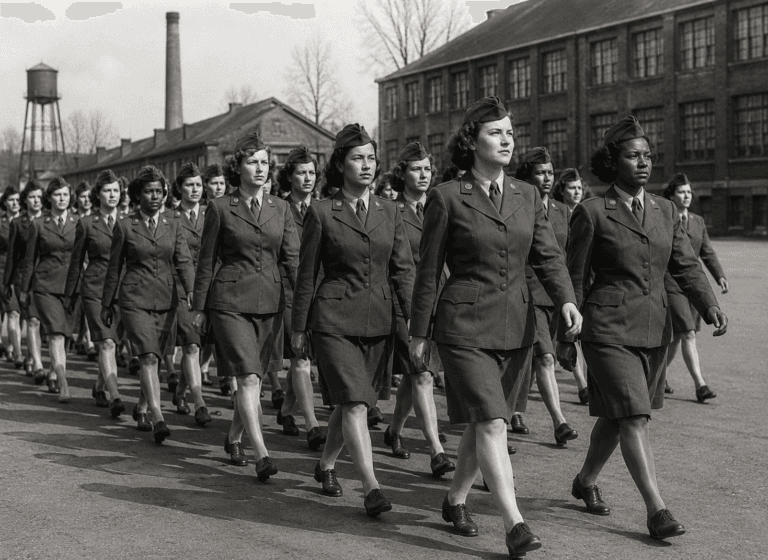
Although most women did not serve in frontline combat roles, many joined military organizations.
United States
Women served in:
- Women’s Army Corps (WAC)
- Women Accepted for Volunteer Emergency Service (WAVES)
- Women Airforce Service Pilots (WASP)
Their duties included:
- Administration
- Communications
- Intelligence
- Aviation support
United Kingdom
British women served in:
- Auxiliary Territorial Service (ATS)
- Women’s Royal Naval Service (WRNS)
- Women’s Auxiliary Air Force (WAAF)
Many worked in radar operations, logistics, and anti-aircraft defense.
Soviet Union
The Soviet Union employed women more extensively than most nations.
Women served as:
- Pilots
- Snipers
- Tank crew members
- Medical personnel
Some Soviet female pilots became highly decorated combat veterans.
Female Pilots During World War II
Aviation offered new opportunities for women during the war.
Women Airforce Service Pilots (WASP)
In the United States, female pilots:
- Transported aircraft
- Conducted training missions
- Tested repaired planes
Although they did not engage in combat, their work freed male pilots for frontline service.
Soviet Female Pilots
The Soviet Union created all-female aviation units.
One of the most famous was the “Night Witches,” a bomber regiment that conducted nighttime missions against German forces.
Their courage earned respect from both allies and enemies.
Women in Resistance Movements
Many women participated in underground resistance networks in occupied countries.
Activities Included
- Gathering intelligence
- Delivering messages
- Smuggling supplies
- Assisting escaped prisoners
- Sabotaging enemy operations
Women often attracted less suspicion than men, making them valuable members of resistance organizations.
French Resistance
Thousands of women supported resistance activities throughout occupied France.
Their efforts contributed to Allied intelligence and liberation efforts.
Women as Nurses and Medical Personnel
Medical services depended heavily on women.
Nurses served:
- Near battlefields
- On hospital ships
- In military hospitals
- In evacuation units
Challenges
Medical personnel faced:
- Dangerous conditions
- Long working hours
- Limited resources
- Exposure to combat zones
Their dedication saved countless lives throughout the war.
Women on the Home Front
Not every contribution occurred near the battlefield.
Women managed households, raised families, and supported local communities during difficult conditions.
Responsibilities Included
- Food rationing
- Volunteer work
- Community support
- Civil defense programs
In many countries, women became the backbone of civilian society during wartime.
Women in Nazi Germany
The role of women in Germany differed from that in many Allied countries.
Nazi ideology emphasized:
- Family responsibilities
- Child-rearing
- Support for the state
However, as the war continued and labor shortages increased, many German women entered factories and support services.
Women in Japan During World War II
Japanese women contributed to the war effort through:
- Industrial work
- Agricultural production
- Medical support
- Civil defense
As conditions worsened during the final years of the war, many faced severe shortages and hardships.
How World War II Changed Women’s Rights
The war demonstrated that women could perform jobs traditionally reserved for men.
Lasting Changes
After the war:
- More women entered professional careers.
- Educational opportunities expanded.
- Political participation increased.
- Gender expectations began to shift.
Although many women were encouraged to return to traditional roles after the war, their wartime experiences had permanently changed societal attitudes.
Famous Women of World War II
Nancy Wake
A leading figure in the French Resistance.
Lyudmila Pavlichenko
One of the most successful snipers in military history.
Anne Frank
Her diary became one of the most widely read accounts of life during the Holocaust.
Noor Inayat Khan
A British intelligence operative who worked in occupied France.
Jacqueline Cochran
A pioneering American pilot and leader of the WASP program.
Women’s Contributions by Country
| Country | Major Contributions |
|---|---|
| United States | Factory work, military support, aviation |
| United Kingdom | Radar, logistics, military services |
| Soviet Union | Combat roles, aviation, snipers |
| France | Resistance activities |
| Germany | Industry and support services |
| Japan | Manufacturing and civil defense |
Interesting Facts About Women in World War II
- Millions of women entered the workforce during the war.
- The Soviet Union deployed female combat pilots.
- Women worked in nearly every area of military support.
- Female resistance fighters operated throughout occupied Europe.
- The image of Rosie the Riveter became a cultural icon.
- World War II accelerated social changes regarding women’s employment.
Frequently Asked Questions
What role did women play in World War II?
Women worked in factories, served in military organizations, joined resistance movements, and provided medical care.
Did women fight in World War II?
In some countries, particularly the Soviet Union, women served in combat roles.
Who was Rosie the Riveter?
Rosie the Riveter was a cultural symbol representing female factory workers during the war.
What were the Night Witches?
The Night Witches were an all-female Soviet bomber regiment that conducted nighttime missions against German forces.
How did World War II change women’s rights?
The war expanded employment opportunities and demonstrated women’s ability to perform a wide range of professional and technical roles.
Key Takeaways
- Women played a vital role in every aspect of World War II.
- Millions entered factories and industrial jobs.
- Women served in military organizations worldwide.
- Some nations allowed women to participate in combat.
- Resistance movements relied heavily on female operatives.
- Nurses and medical personnel saved countless lives.
- Wartime experiences helped transform social attitudes.
- The contributions of women were essential to the Allied and Axis war efforts.
Leave a Reply