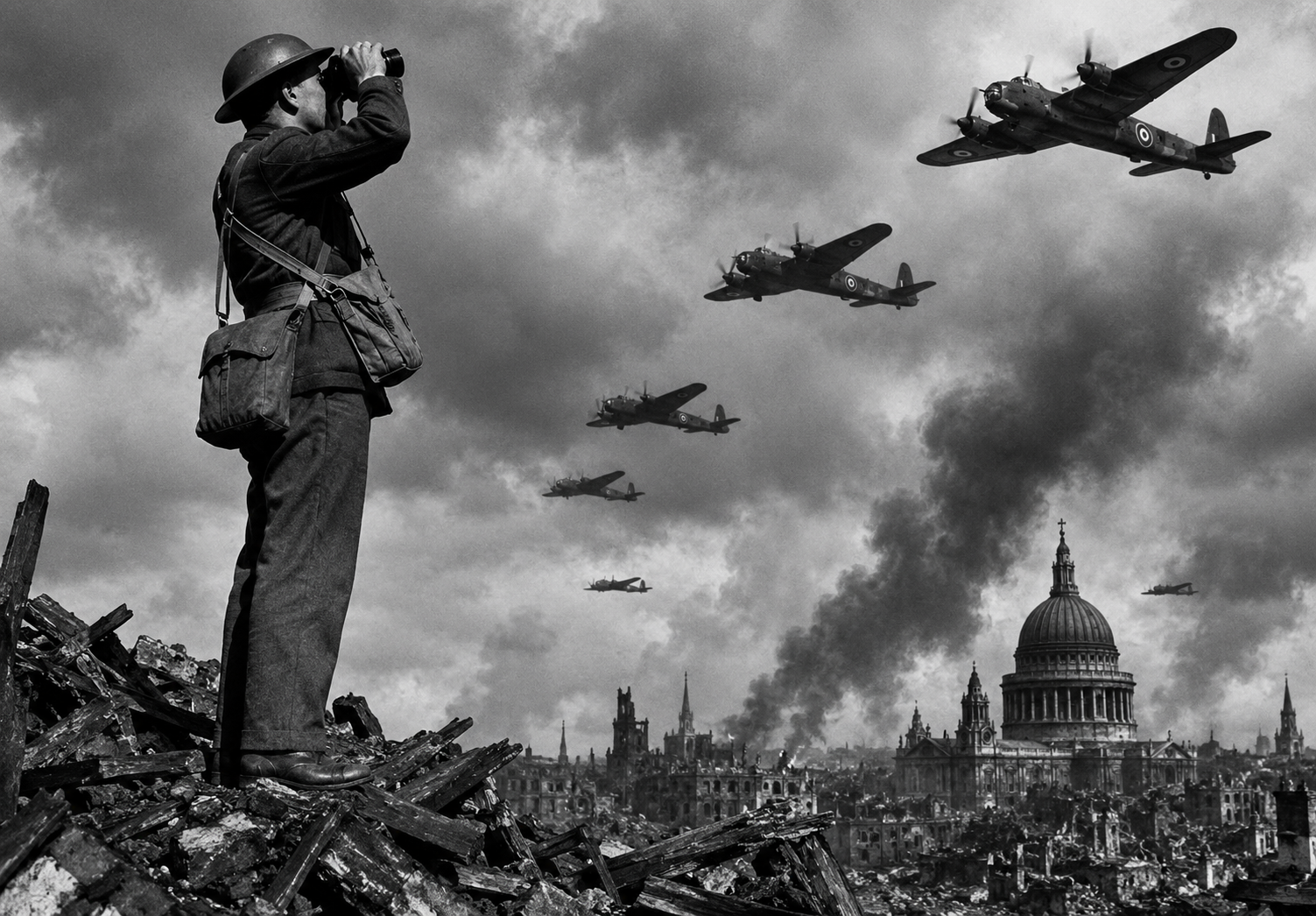
Battles of World War 2 shaped the course of history between 1939 and 1945. Fought across Europe, Africa, Asia, and the Pacific, these conflicts ranged from small engagements to massive campaigns involving millions of soldiers. During the six years of the war, decisive land, sea, and air battles determined the rise and fall of military powers, influenced global politics, and ultimately led to the Allied victory.
Certain battles stand out because they marked major turning points, halted enemy advances, destroyed military capabilities, or paved the way for Allied victory. These battles shaped not only the outcome of World War II but also the modern world.
This guide explores the most important battles of World War II and explains why they mattered.
Battles of World War 2: Why They Were Important
Military historians often classify certain battles as turning points because they:
- Changed strategic momentum
- Destroyed major military forces
- Opened new fronts
- Prevented invasions
- Led directly to victory or defeat
Without these battles, the outcome of the war might have been very different.
Battles of World War 2: Battle of Britain (1940)
Overview
Following the fall of France in 1940, Germany planned to invade Britain.
Before an invasion could take place, Germany needed to gain control of the skies.
The Luftwaffe launched a massive air campaign against Britain.
Key Facts
| Detail | Information |
|---|---|
| Date | July–October 1940 |
| Location | United Kingdom |
| Result | British Victory |
| Importance | Prevented German invasion |
Why It Was Important
The Battle of Britain marked Germany’s first major defeat.
Britain remained in the war and became a base for future Allied operations.
Battle of Stalingrad (1942–1943)
Overview
The Battle of Stalingrad became one of the deadliest battles in human history.
German forces attempted to capture the Soviet city of Stalingrad.
Fierce urban fighting lasted for months.
Key Facts
| Detail | Information |
|---|---|
| Date | Aug 1942 – Feb 1943 |
| Location | Soviet Union |
| Result | Soviet Victory |
| Casualties | More than 2 million |
Why It Was Important
Stalingrad marked the beginning of Germany’s long retreat on the Eastern Front.
After this defeat, Germany never fully regained the initiative against the Soviet Union.
Battle of Midway (1942)
Overview
Six months after Pearl Harbor, Japan attempted to seize Midway Atoll.
American intelligence successfully decoded Japanese communications and prepared an ambush.
Key Facts
| Detail | Information |
|---|---|
| Date | June 4–7, 1942 |
| Location | Pacific Ocean |
| Result | American Victory |
| Japanese Carriers Lost | Four |
Why It Was Important
Midway shifted the balance of power in the Pacific.
Japan moved from offense to defense for the remainder of the war.
Second Battle of El Alamein (1942)
Overview
The North African campaign was crucial because of its strategic location and access to shipping routes.
British forces under General Bernard Montgomery confronted German and Italian forces led by Erwin Rommel.
Key Facts
| Detail | Information |
|---|---|
| Date | October–November 1942 |
| Location | Egypt |
| Result | Allied Victory |
Why It Was Important
The battle ended the Axis threat to Egypt and the Suez Canal.
It marked a major Allied victory in North Africa.
Battle of Kursk (1943)
Overview
The Battle of Kursk became the largest tank battle in history.
Germany attempted one final major offensive against Soviet forces.
Key Facts
| Detail | Information |
|---|---|
| Date | July–August 1943 |
| Location | Soviet Union |
| Result | Soviet Victory |
Why It Was Important
Germany’s offensive failed.
The Soviet Union permanently seized strategic momentum on the Eastern Front.
D-Day: The Normandy Landings (1944)
Overview
On June 6, 1944, Allied forces launched Operation Overlord.
More than 150,000 troops landed on the beaches of Normandy.
Landing Beaches
- Utah
- Omaha
- Gold
- Juno
- Sword
Key Facts
| Detail | Information |
|---|---|
| Date | June 6, 1944 |
| Location | Normandy, France |
| Result | Allied Success |
Why It Was Important
D-Day opened a Western Front against Germany and accelerated the liberation of Europe.
Battle of the Bulge (1944–1945)
Overview
Germany launched its final major offensive in Western Europe.
The attack targeted Allied lines in Belgium and Luxembourg.
Key Facts
| Detail | Information |
|---|---|
| Date | Dec 1944 – Jan 1945 |
| Location | Ardennes Forest |
| Result | Allied Victory |
Why It Was Important
The failure exhausted Germany’s remaining reserves.
The Allies continued advancing toward Germany.
Battle of Iwo Jima (1945)
Overview
Iwo Jima was a small island with enormous strategic value.
American forces launched an amphibious assault against heavily fortified Japanese defenses.
Key Facts
| Detail | Information |
|---|---|
| Date | Feb–Mar 1945 |
| Location | Pacific Ocean |
| Result | American Victory |
Why It Was Important
The island provided airfields for bombing operations against Japan.
The famous flag-raising image became one of the most iconic photographs of the war.
Battle of Okinawa (1945)
Overview
The Battle of Okinawa was the largest amphibious assault in the Pacific Theater.
Japanese forces resisted fiercely.
Key Facts
| Detail | Information |
|---|---|
| Date | Apr–Jun 1945 |
| Location | Okinawa |
| Result | Allied Victory |
Why It Was Important
The battle demonstrated the enormous cost of invading Japan and influenced decisions made later in the war.
Comparison of Major World War II Battles
| Battle | Year | Winner | Significance |
|---|---|---|---|
| Battle of Britain | 1940 | Allies | Prevented invasion |
| Stalingrad | 1942–43 | Allies | Eastern Front turning point |
| Midway | 1942 | Allies | Pacific turning point |
| El Alamein | 1942 | Allies | North Africa secured |
| Kursk | 1943 | Allies | Largest tank battle |
| D-Day | 1944 | Allies | Liberation of Europe |
| Battle of the Bulge | 1944–45 | Allies | Germany’s last offensive |
| Iwo Jima | 1945 | Allies | Strategic Pacific base |
| Okinawa | 1945 | Allies | Final major Pacific battle |
Which Battle Was the Most Important?
Historians continue to debate this question.
Common answers include:
Stalingrad
Destroyed a major German army and changed the war in Europe.
Midway
Shifted naval superiority in the Pacific.
D-Day
Opened the road to Germany’s defeat in Western Europe.
Each battle played a crucial role in Allied victory.
Interesting Facts About WWII Battles
- Stalingrad involved more than two million casualties.
- Kursk remains the largest tank battle in history.
- D-Day was the largest amphibious invasion ever conducted.
- Midway lasted only four days but changed the Pacific War.
- Okinawa produced some of the highest casualty rates of the war.
- The Battle of Britain was fought primarily in the air.
Frequently Asked Questions
What was the largest battle of World War II?
The Battle of Stalingrad is often considered the largest and deadliest battle.
What was the turning point of World War II?
Many historians identify Stalingrad and Midway as the major turning points.
What was the most important battle in Europe?
The Battle of Stalingrad is commonly viewed as the most important European battle.
What was the most important battle in the Pacific?
The Battle of Midway is generally considered the Pacific turning point.
What battle led to Germany’s defeat?
Several battles contributed, but Stalingrad, Kursk, and D-Day were particularly significant.
Key Takeaways
- Major battles determined the outcome of World War II.
- The Battle of Britain prevented Germany from invading Britain.
- Stalingrad marked the beginning of Germany’s decline.
- Midway shifted power in the Pacific.
- D-Day opened a Western Front against Germany.
- Okinawa and Iwo Jima paved the way for Japan’s defeat.
- Allied victories gradually exhausted Axis resources and manpower.
- These battles continue to be studied as some of the most important military engagements in history.
Leave a Reply