22 June 1941
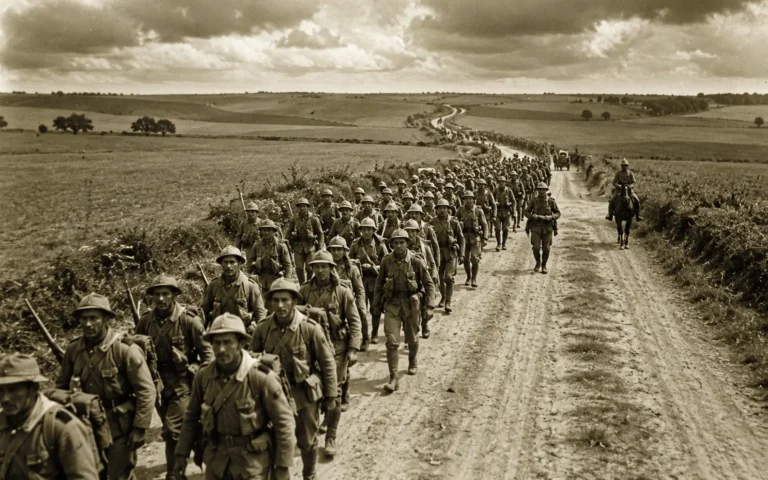
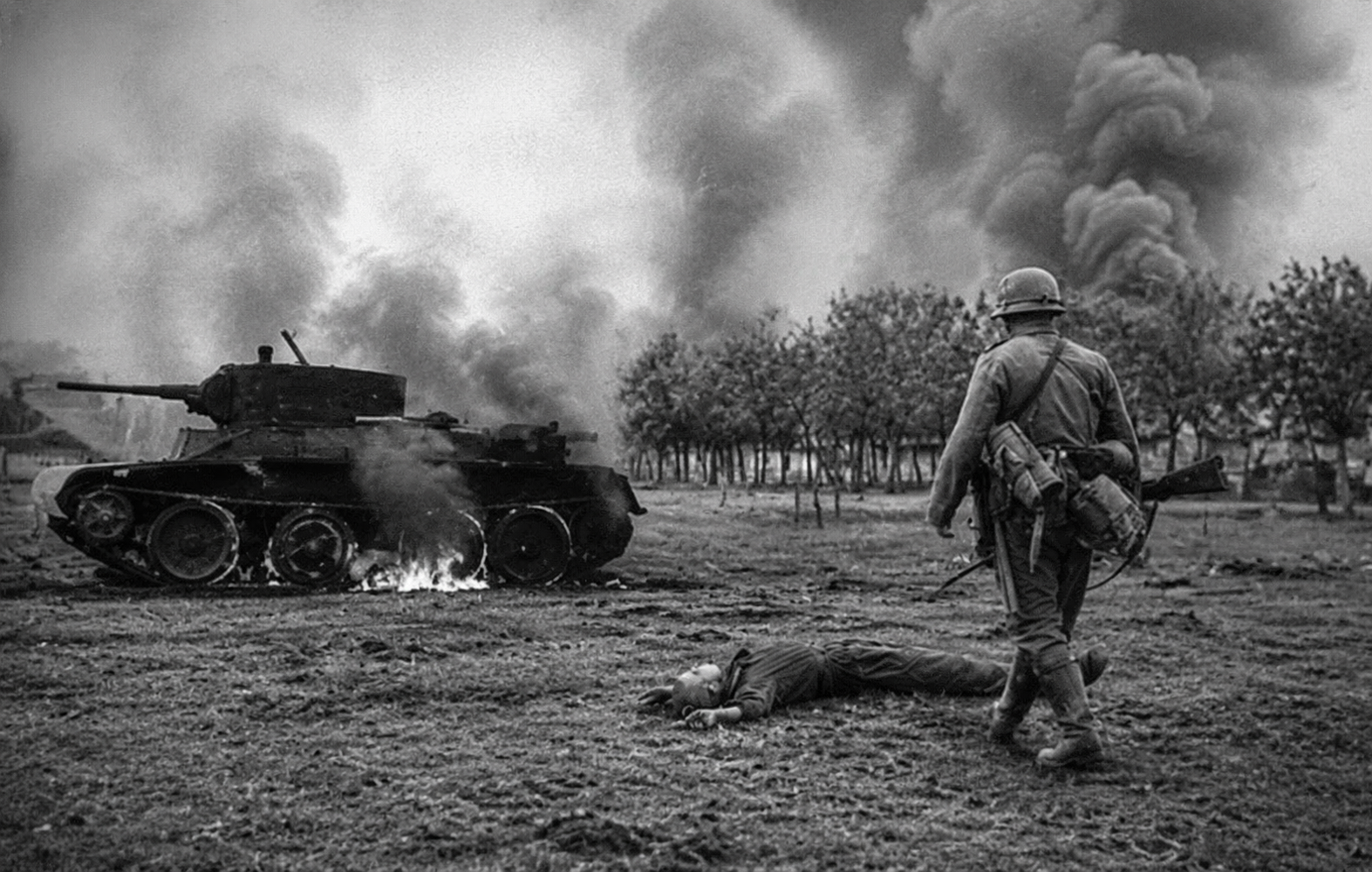
Germany launched Operation Barbarossa, sending more than three million troops across the Soviet border in the largest land invasion in history.
Lightning Advance
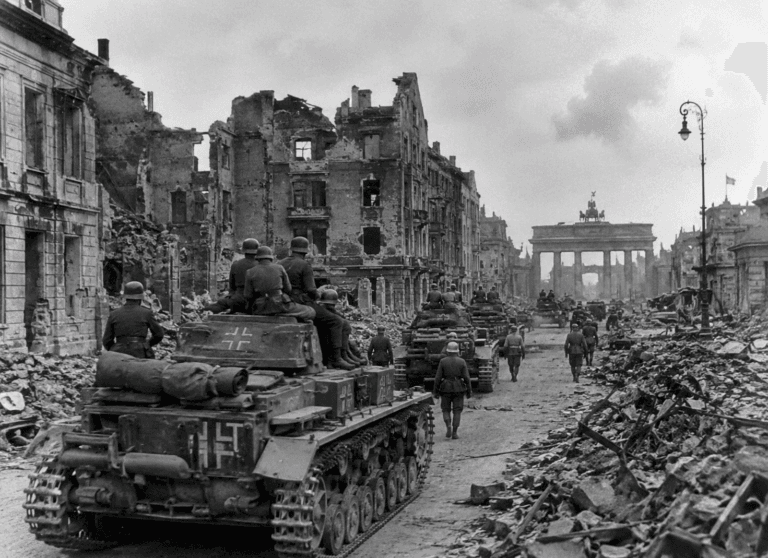
Three German army groups pushed toward Leningrad, Moscow, and Ukraine, rapidly capturing vast territories and surrounding hundreds of thousands of Soviet troops.
Winter Turns
Autumn mud, freezing temperatures, and stretched supply lines slowed the offensive, allowing Soviet forces to regroup and defend Moscow.
Counteroffensive
In December 1941, Soviet forces launched a major counterattack near Moscow, forcing Germany into its first large-scale retreat of the war.
Historic Impact
Operation Barbarossa failed to achieve a quick victory, transforming the Eastern Front into a prolonged conflict that ultimately contributed to Germany’s defeat.
Decode this campaign
Operation Barbarossa cipher
Germany hoped to capture ______ before winter, but fierce Soviet resistance halted the advance.
The failure to capture Moscow before winter became one of the campaign’s greatest strategic setbacks and marked the end of Germany’s hopes for a rapid victory in the Soviet Union.
Decoded
Intelligence confirmed. Continue exploring the decisive campaigns of World War II.