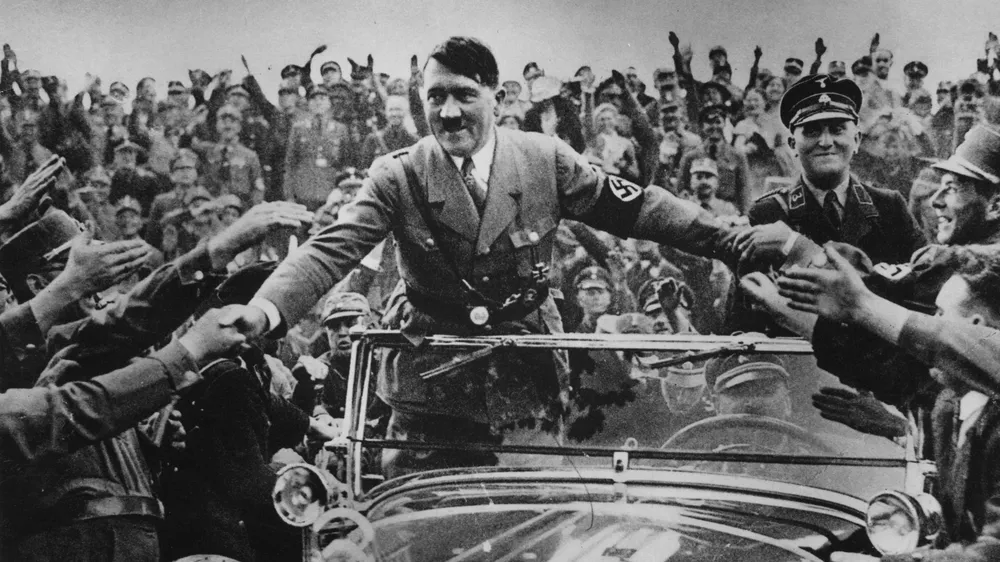
Adolf Hitler was one of the most influential and controversial figures in modern history. As the leader of Germany from 1933 to 1945, he transformed Germany into a dictatorship, launched World War II, and oversaw policies that resulted in the deaths of millions of people.
His rise from an obscure political activist to the ruler of Germany dramatically changed the course of the twentieth century. Hitler’s actions shaped global politics, caused unprecedented destruction, and left a lasting impact that continues to be studied today.
Quick Facts About Adolf Hitler
| Detail | Information |
|---|---|
| Full Name | Adolf Hitler |
| Born | April 20, 1889 |
| Birthplace | Braunau am Inn, Austria-Hungary |
| Political Party | German Party (NSDAP) |
| Position | Chancellor and Führer of Germany |
| Years in Power | 1933–1945 |
| Died | April 30, 1945 |
Early Life
Adolf Hitler was born on April 20, 1889, in Braunau am Inn, a town near the border between Austria and Germany.
As a young man, he hoped to become an artist and twice applied to the Vienna Academy of Fine Arts but was rejected.
During his years in Vienna, Hitler developed many of the political and ideological views that would later shape his leadership.
Service in World War I
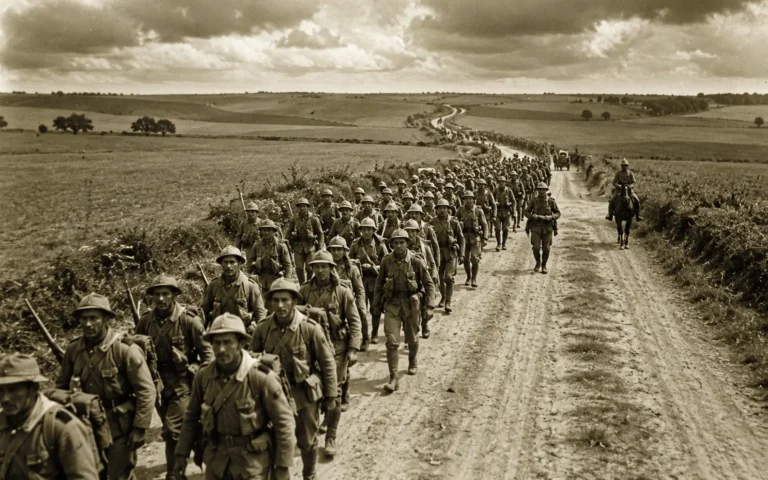
When World War I began in 1914, Hitler volunteered to serve in the German Army.
He worked primarily as a messenger on the Western Front and received several military decorations for bravery.
Germany’s defeat in 1918 had a profound effect on him.
Like many Germans, Hitler blamed political leaders and the Treaty of Versailles for the country’s difficulties after the war.
Joining the Party
After World War I, Germany experienced political instability, economic hardship, and social unrest.
In 1919, Hitler joined the German Workers’ Party, which later became the National Socialist German Workers’ Party, commonly known as the Party.
Hitler’s Speaking Ability
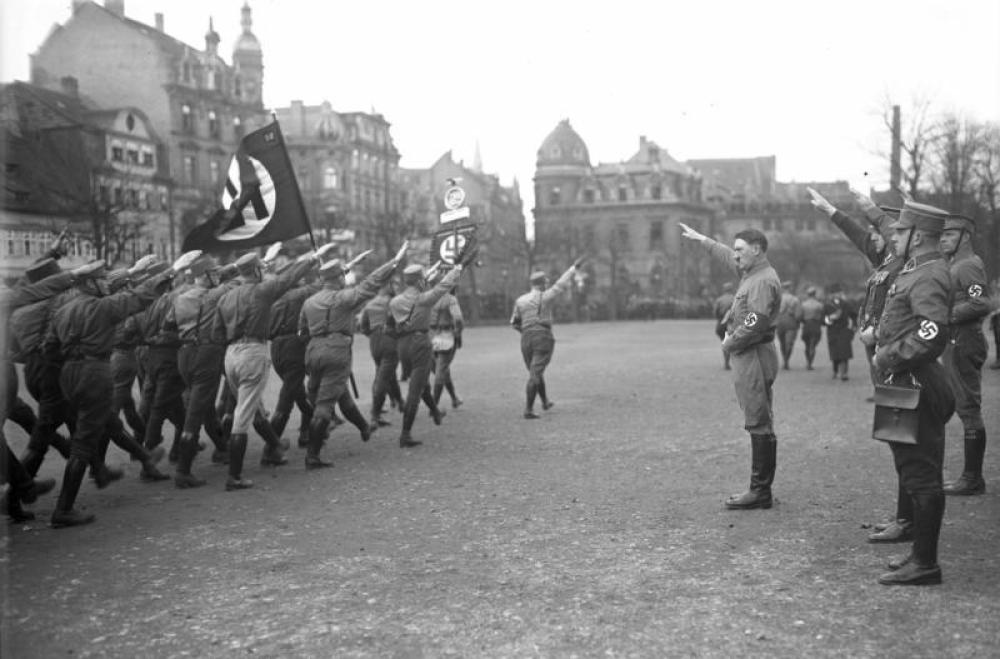
Hitler quickly gained attention for his powerful public speaking skills.
Large crowds attended his speeches, and his influence within the party grew rapidly.
The Beer Hall Putsch
In 1923, Hitler attempted to seize power in Munich through a failed coup known as the Beer Hall Putsch.
The attempt failed, and Hitler was arrested and imprisoned.
Writing Mein Kampf
While in prison, Hitler wrote Mein Kampf, a book outlining his political ideology, goals, and vision for Germany.
The book later became a central text of ideology.
The Great Depression and Political Opportunity
The Great Depression severely affected Germany during the early 1930s.
Millions of Germans faced unemployment and economic hardship.
The crisis increased support for political parties promising change, including the Germans.
By 1932, the German Party had become one of the largest political movements in Germany.
Hitler Becomes Chancellor
On January 30, 1933, Adolf Hitler was appointed Chancellor of Germany.
Many political leaders believed they could control him, but Hitler quickly consolidated power.
The End of Democracy
Through a series of political actions and legal measures, Hitler eliminated opposition parties and established a dictatorship.
Germany became a one-party state under German control.
Germany Under Hitler
Hitler’s government implemented policies that transformed German society.
Major Policies
- Military expansion
- Political repression
- State-controlled propaganda
- Economic programs
- Territorial expansion
The regime exercised strict control over many aspects of daily life.
Hitler’s Foreign Policy
Hitler sought to overturn the Treaty of Versailles and expand German territory.
Major actions included:
- Remilitarization of the Rhineland
- Annexation of Austria
- Occupation of Czechoslovakia
- Invasion of Poland
These actions increased tensions throughout Europe and contributed directly to the outbreak of World War II.
Hitler and World War II
On September 1, 1939, Germany invaded Poland.
Britain and France declared war two days later.
World War II had begun.
Early Successes
German forces achieved rapid victories across Europe between 1939 and 1941.
Countries defeated included:
- Poland
- Norway
- Denmark
- Belgium
- Netherlands
- France
The Holocaust
Under Hitler’s rule, Germany carried out the Holocaust, the systematic persecution and murder of millions of people.
Approximately six million Jews were killed, along with millions of other victims.
The Holocaust remains one of the darkest chapters in human history.
Turning Points Against Germany
Several major events weakened Germany’s position during the war.
Operation Barbarossa
The invasion of the Soviet Union in 1941 opened a massive Eastern Front.
Battle of Stalingrad
Germany suffered a devastating defeat that marked a major turning point in the war.
D-Day
The Allied invasion of Normandy in 1944 opened a Western Front against Germany.
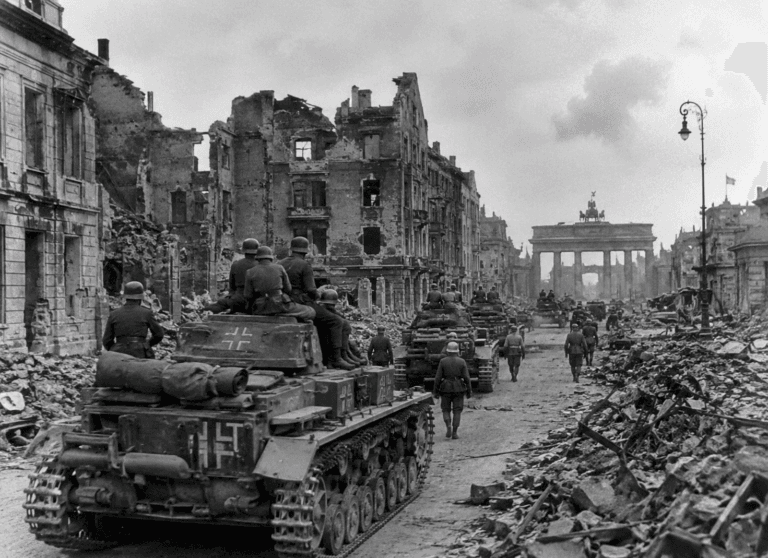
The Fall of Berlin
By 1945, Allied forces were advancing toward Germany from both east and west.
Soviet troops entered Berlin during April 1945.
The city became the site of the final major battle in Europe.
Hitler’s Death
On April 30, 1945, Adolf Hitler died in his bunker beneath Berlin.
His death occurred just days before Germany’s surrender.
On May 8, 1945, Germany officially surrendered to the Allies.
Legacy of Adolf Hitler
Hitler’s actions caused immense human suffering and destruction.
His leadership resulted in:
- World War II
- The Holocaust
- Millions of military and civilian deaths
- The devastation of much of Europe
Today, historians study Hitler’s rise and rule to better understand authoritarianism, propaganda, and the dangers of extremist ideologies.
Interesting Facts About Adolf Hitler
- He was born in Austria, not Germany.
- He served in World War I before entering politics.
- Mein Kampf was written during his imprisonment.
- He became Chancellor in 1933.
- His government ruled Germany for twelve years.
Frequently Asked Questions
Who was Adolf Hitler?
Adolf Hitler was the leader of Germany and a central figure in World War II.
When did Hitler come to power?
He became Chancellor of Germany on January 30, 1933.
What was the Party?
The Party was the political movement that brought Hitler to power in Germany.
When did Hitler die?
Hitler died on April 30, 1945, during the Battle of Berlin.
What role did Hitler play in World War II?
Hitler directed Germany’s military expansion and policies that led to the outbreak and escalation of World War II.
Key Takeaways
- Adolf Hitler was the leader of Germany from 1933 to 1945.
- He rose to power during a period of economic and political instability.
- His policies contributed directly to World War II.
- He oversaw Germany’s dictatorship and expansion.
- The Holocaust occurred under his regime.
- Germany was ultimately defeated in 1945.
- Hitler remains one of the most studied figures in modern history.
Conclusion
Adolf Hitler’s rise, rule, and fall profoundly influenced world history. His leadership shaped the course of World War II, contributed to the Holocaust, and caused unprecedented destruction across Europe and beyond. Understanding Hitler’s life and actions remains essential for understanding the history of the twentieth century and the consequences of authoritarian rule.
Related Articles
- Who Started World War 2?
- Germany in World War 2
- What Caused World War 2?
- Operation Barbarossa
- Battle of Stalingrad
- Fall of Berlin
- Holocaust Explained
Leave a Reply